
For procurement managers and engineers in the oil, gas, and construction industries, choosing the right type of carbon steel pipe is critical. A common dilemma we encounter at **Tianjin Xinmaotai Steel** is the choice between **Seamless (SMLS)** and **Electric Resistance Welded (ERW)** pipes.
While they may look similar on the outside, their manufacturing processes, pressure ratings, and applications differ significantly. Making the wrong choice can lead to project delays or budget overruns.
In this guide, we break down the key differences to help you source the best carbon steel pipes from China.
1. What is Seamless Carbon Steel Pipe?
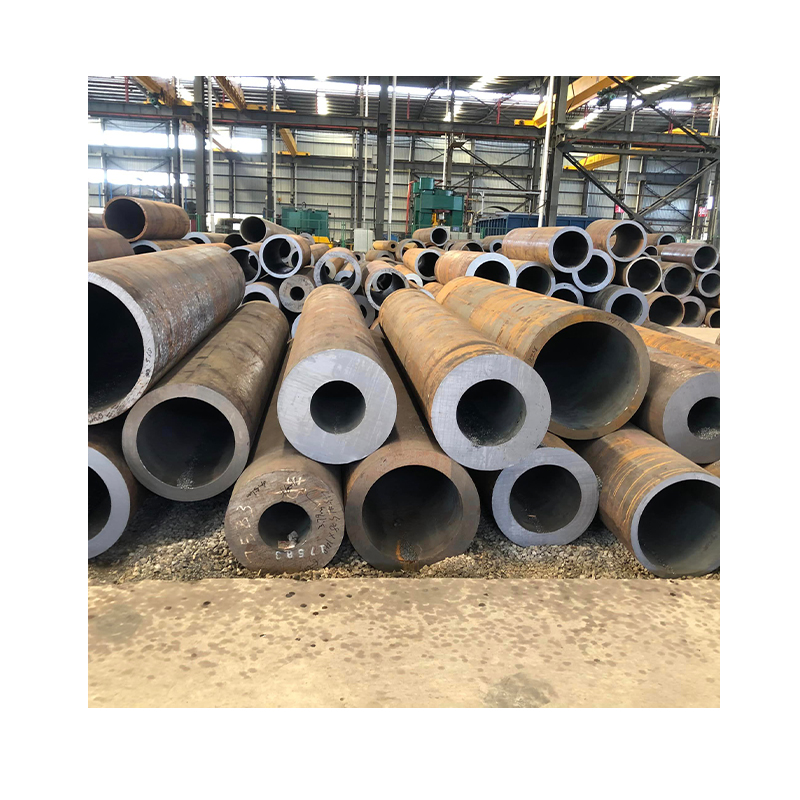
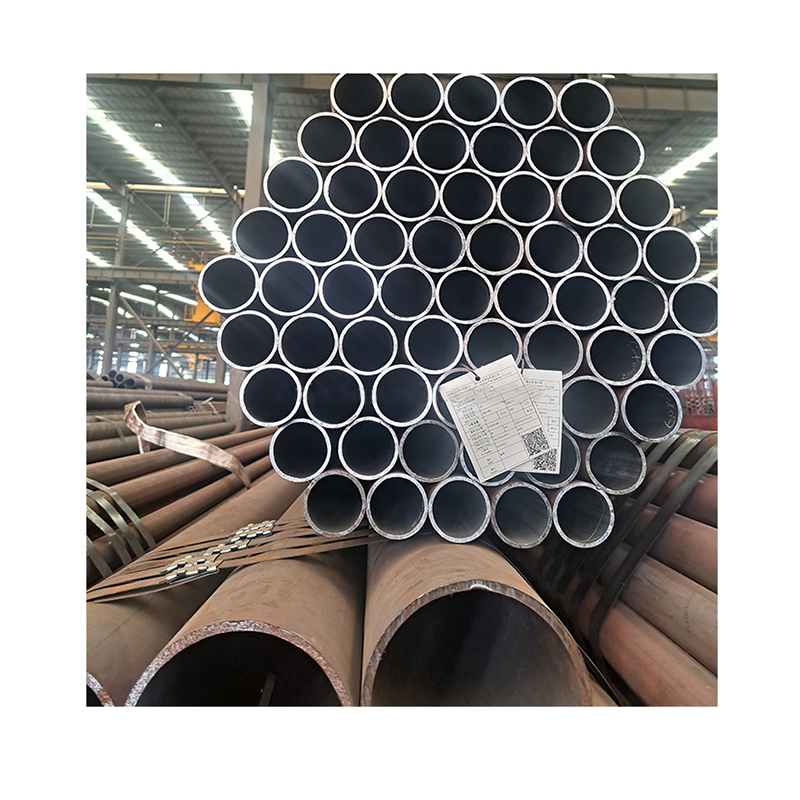
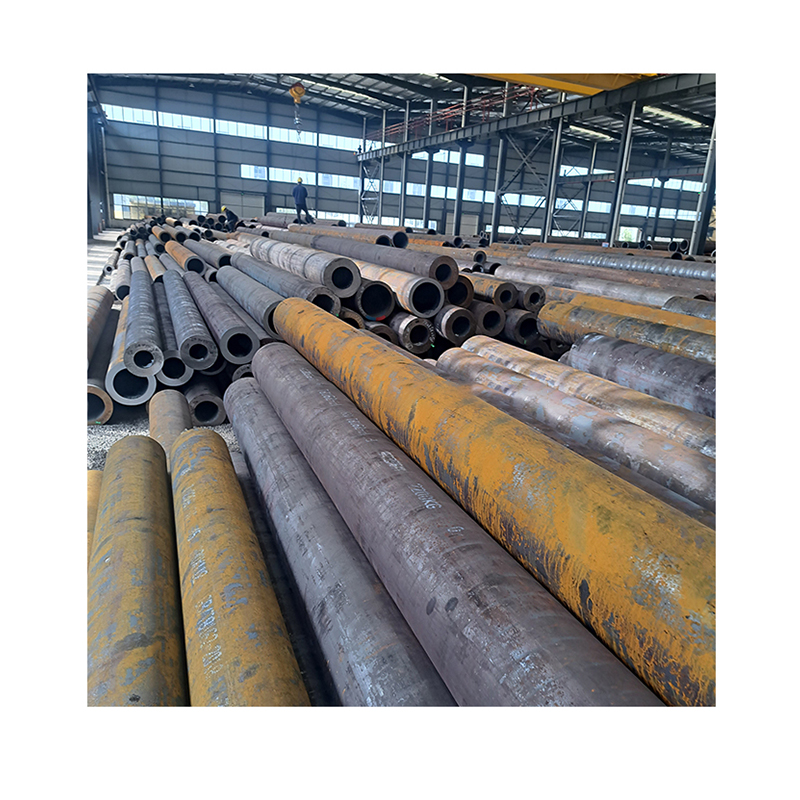
As the name suggests, a **Seamless pipe** does not have a welding seam. It is manufactured by extruding the steel into a hollow tube.
* **Key Standard:** **ASTM A106** (Grade B is most common).
* **Primary Benefit:** Because there is no seam, it can withstand higher pressures and temperatures. It is less prone to corrosion at the weld point.
* **Common Applications:** * Oil and gas refineries.
* High-pressure boilers.
* Power plants.
**Pro Tip:** If your project involves high pressure or high temperature, ASTM A106 Seamless Pipe is usually the mandatory choice.
2. What is ERW Carbon Steel Pipe?
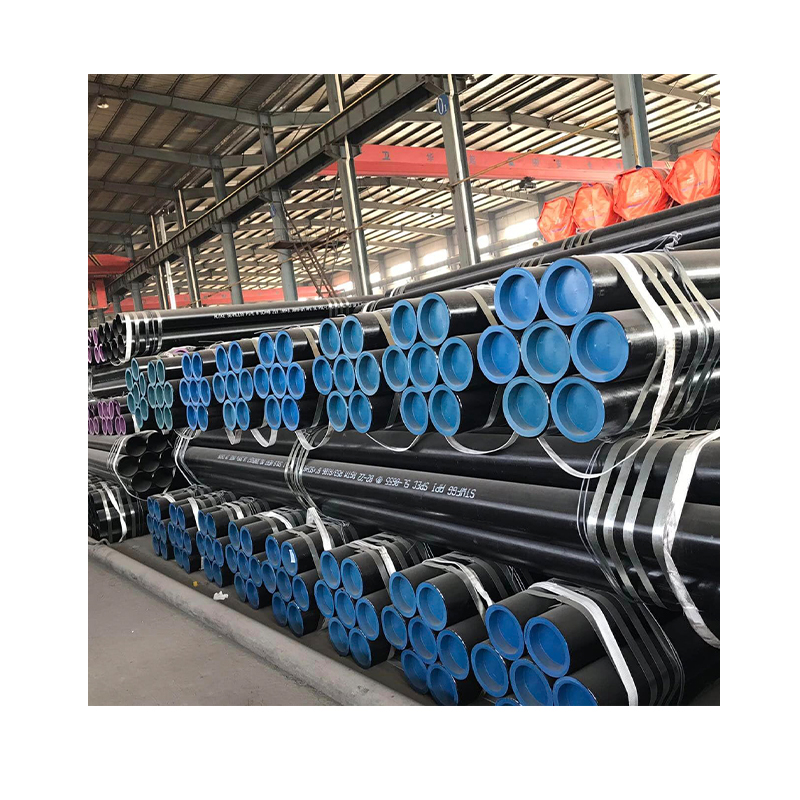
**ERW (Electric Resistance Welded)** pipe is made by rolling a steel sheet (coil) into a cylinder and welding the seam longitudinally.
* **Key Standard:** **ASTM A53** (Type E).
* **Primary Benefit:** ERW pipes are generally more cost-effective to produce and can be manufactured in larger diameters compared to seamless pipes.
* **Common Applications:** * Low/Medium pressure fluid transport (water, oil, gas).
* Structural applications (fencing, scaffolding, piling).
3. ASTM A106 vs. ASTM A53: The Quick Comparison
Many buyers are confused by these two standards. Here is a simplified comparison table to help you decide:
| Feature | ASTM A106 (Seamless) | ASTM A53 (Seamless or Welded) | | --- | --- | --- | | **Manufacturing** | Seamless only | Seamless (Type S) or Welded (Type E) | | **Main Use** | High temperature & high pressure | General purpose (Steam, Water, Air, Gas) | | **Cost** | Higher | Generally Lower | | **Availability** | Common in small to medium sizes | Common in all sizes |
---
4. How to Ensure Quality When Importing from China?
Whether you choose Seamless or ERW, quality control is non-negotiable. At **Tianjin Xinmaotai Steel**, we recommend checking the following documents before shipment:
1. **MTC (Mill Test Certificate):** Ensure it complies with EN 10204 3.1 standards. It shows the chemical composition and mechanical properties.
2. **Hydrostatic Test Report:** This verifies that the pipe has been tested for leaks under pressure.
3. **Third-Party Inspection:** For large orders, hiring agencies like SGS or BV to inspect the goods at our factory in Liaocheng/Tianjin is always welcome.
---
Conclusion
Choosing between Seamless and ERW carbon steel pipes depends entirely on your project's specific pressure and temperature requirements.
* Need high reliability for critical environments? Go with **ASTM A106 Seamless**.
* Need a cost-effective solution for structural or low-pressure transport? **ASTM A53 ERW** is your best bet.
**Ready to get a quote?** Tianjin Xinmaotai Steel is a leading stockist and exporter of carbon steel pipes (ASTM A106/A53/API 5L). [**Contact us today**] for a competitive price list and immediate stock availability.